
“It is only one house. Why do you care? Who is affected by this foreclosure other than the deadbeat homeowner?”
Those words came from a man who works for one of the largest banks here in Austin, Texas. His job involves documenting foreclosure paperwork. He could not see past his desk. He could not see past the file in front of him. I have heard that attitude for 12 years, and it still tells me everything I need to know about why this problem persists.
The question reveals the problem. The mindset that a foreclosure only affects the “deadbeat homeowner” is exactly what the banks want people to believe. It is easier to take homes from people when the rest of the community thinks those people deserve what they get. The reality is far different. The impact of wrongful foreclosure extends far beyond a single house.
We Are All Affected
Saving one home from wrongful foreclosure is the same as saving the community. The wrongdoing affects everyone. We as a society have made homeownership part of the American dream. Raising a family in a home you own, becoming part of a community, contributing to the social fabric. That is what was at stake when a foreclosure is wrongful.
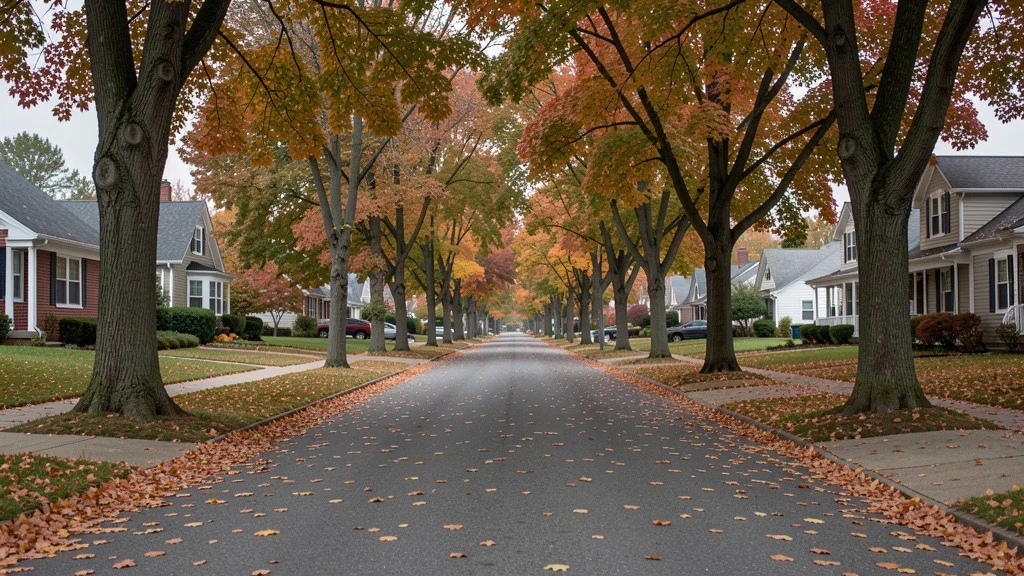
When a home is foreclosed upon, it is not just a financial transaction. It is the removal of a family from a community. The loss of neighbors, of friends, of people who spent money at local businesses and contributed to the neighborhood. The home becomes an empty shell. The community becomes a little less whole.
The Community Loses
I have driven down streets in Texas neighborhoods with more than a dozen foreclosure signs on a single block. I have seen what happens next. The homeowner loses their wealth. The community loses a family that spent money locally. Local businesses lose income. Jobs disappear.
The stigma of foreclosed houses brings vandalism, crime, and squatters. The economic ripple is real. A single foreclosure can reduce neighboring property values by thousands of dollars. Multiple foreclosures on one block create a downward spiral. Property values decline. Tax revenues decline. School funding declines. A neighborhood that was stable begins to rot from the inside.
Loss of Value Beyond Money
The children carry the heaviest burden. They lose their home, their school, their friends, and their sense of stability. They did not choose this. They do not understand it. The stigma of foreclosure follows them. The insecurity that comes from losing your home at a young age stays with a person.
I have talked to homeowners who lost everything. The damage is not measured in dollars. It is measured in the fabric of a community being torn apart, one house at a time.
Righting What Is Wrong
This is not about getting a home free and clear. It is about righting what is wrong and reaching a viable solution. There is nothing wrong with securitization when the rules are followed. The problem is what happens when they are not.
The web is woven to confuse the borrower. What was supposed to happen? What did happen? What did not happen? Those questions are at the center of every case I investigate. The courts hold the homeowner to every letter of the mortgage contract. The large institutions are excused from their legal obligations to properly acquire rights to title. That double standard is the problem. A chain of title analysis can expose where the banks failed to follow proper transfer procedures.
The Double Standard
Every homeowner needs to understand this. When a homeowner fails to meet their legal obligations under the mortgage, the courts enforce them immediately. The homeowner is held to every letter of the contract.
When the assignor fails to properly transfer the note, when the servicer fails to properly record the assignment, when the trustee fails to follow the Uniform Commercial Code, the courts look the other way. The banks receive a pass that no homeowner would ever get.
This is not an accident. It is built into the system. The institutions have the resources, the lobbyists, and the political power to ensure that laws are enforced selectively. The homeowner has only determination and the knowledge they can gain from people who understand the system.
What Are You Going to Do About It?
We are all affected by the results of wrongful foreclosure. The question is what you are going to do about it. The fat lady has not sung yet.
The answer is education. The answer is understanding what happened to your loan. A securitization audit reveals what happened behind the scenes. The answer is refusing to accept the presumption that the banks acted lawfully when the evidence shows otherwise. The answer is standing up and fighting back, not just for your home, but for your community and every homeowner facing the same battle.
Joseph Esquivel, Mortgage Compliance Investigators. Copyrighted, all rights reserved.
Related Services
/services/securitization-audit/
Learn moreRelated Articles
Securitization Affects All Walks of Life
From movie stars to small business owners, wrongful foreclosure affects homeowners from all walks of life. Education and unity are the keys to fighting back.
Read moreWhat Is Area 51 in Mortgage Securitization?
Discover how Area 51 in mortgage securitization works: the trust waterfall, closing dates, and why this structure matters for chain of title analysis.
Read moreFighting for Your Rights: Foreclosure Defense
Being passive does nothing for the homeowner. Learn how to fight back using the Uniform Commercial Code, proper capacity challenges, and competent evidence.
Read moreJoseph R. Esquivel Jr.
TX Licensed PI #A20449
Joseph R. Esquivel Jr. is a Texas Licensed Private Investigator (#A20449) specializing in forensic mortgage investigations, chain of title analysis, and securitization audits.
Disclaimer: Mortgage Compliance Investigations LLC is an investigative service, not a law firm. This article is for informational purposes and does not constitute legal advice.